
The Architecture of Welcome…
The Space
The light arrives first.
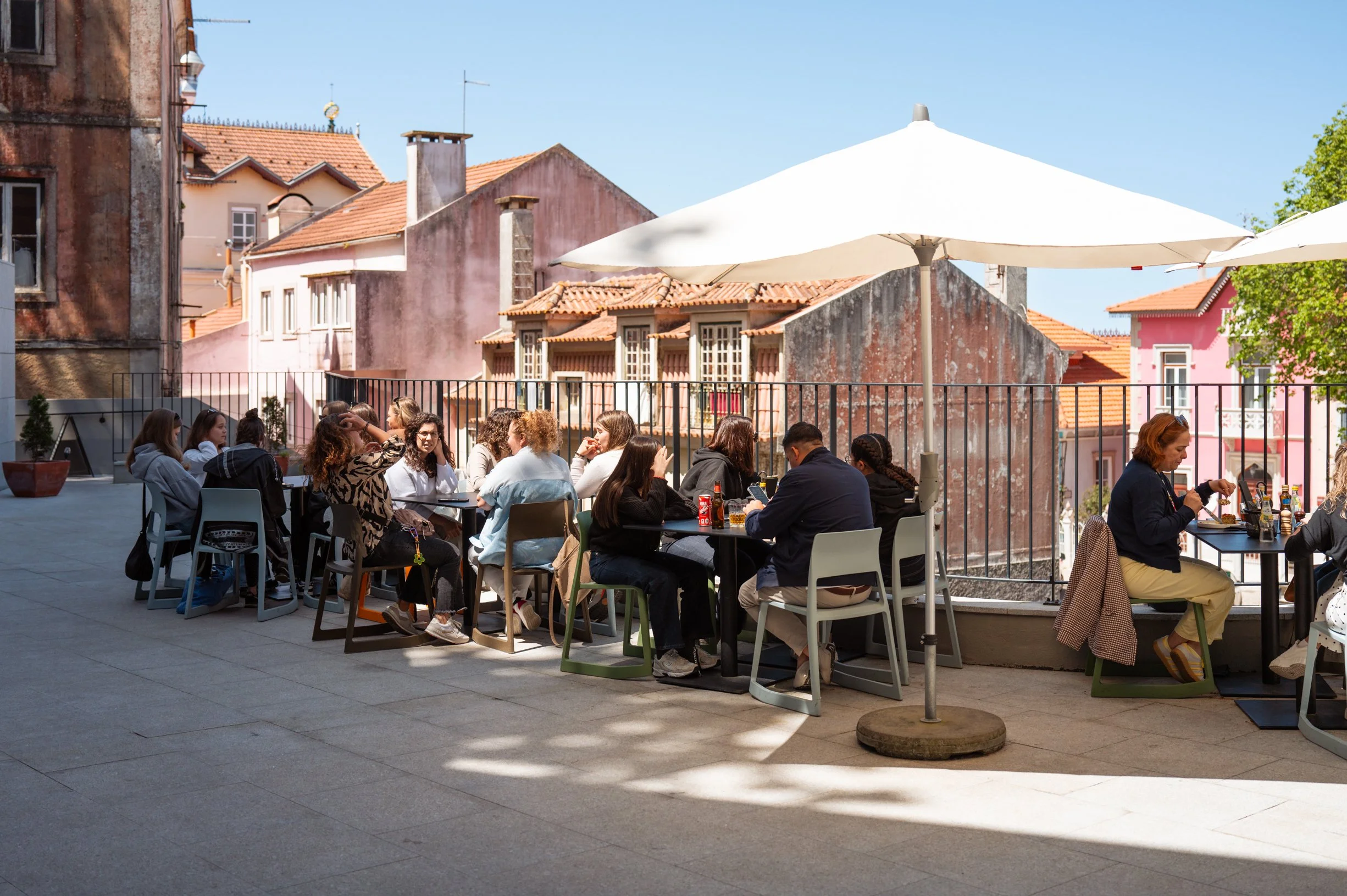
By late morning in Sintra, it moves slowly through the front windows of Névoa (“Névoa” in Portuguese refers to a mist, haze, or light fog), settling across the floor in thin strips before climbing the legs of fabric chairs and disappearing beneath crowded tables. Outside, the village continues its usual rhythm. Footsteps against stone. Cars squeezing through narrow roads. Tourists trying to orient themselves against the hills.
At Home in the Mist with Névoa
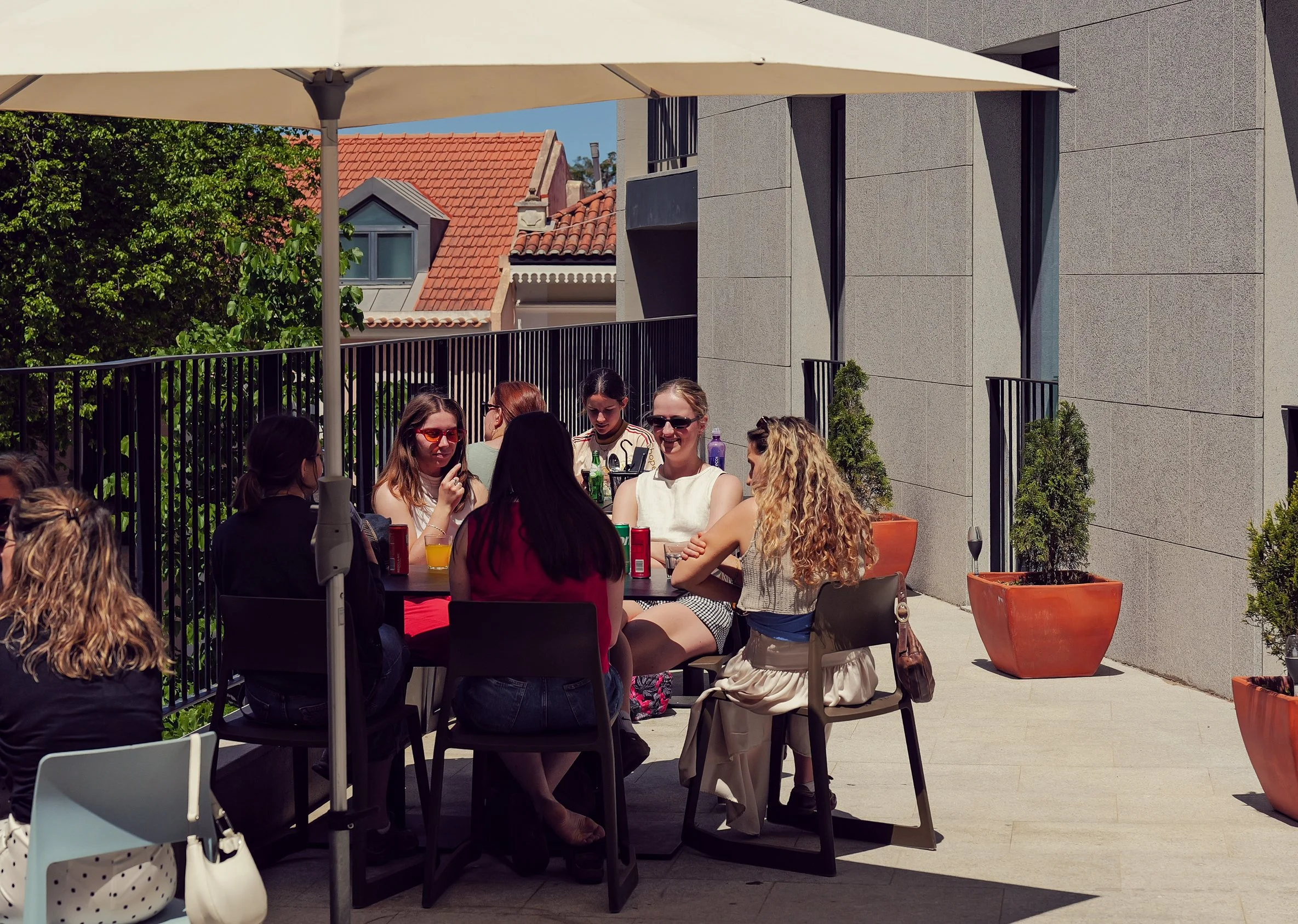
Inside, the noise softens.
The cafe holds a different pace.
Plants divide the room gently, creating privacy without isolation. Ceramic cups land quietly against wood and black tables. The couch near the entrance carries the slight weight of people who stayed longer than they intended to. There is coffee in the air, but also something harder to name.
Relief, maybe.
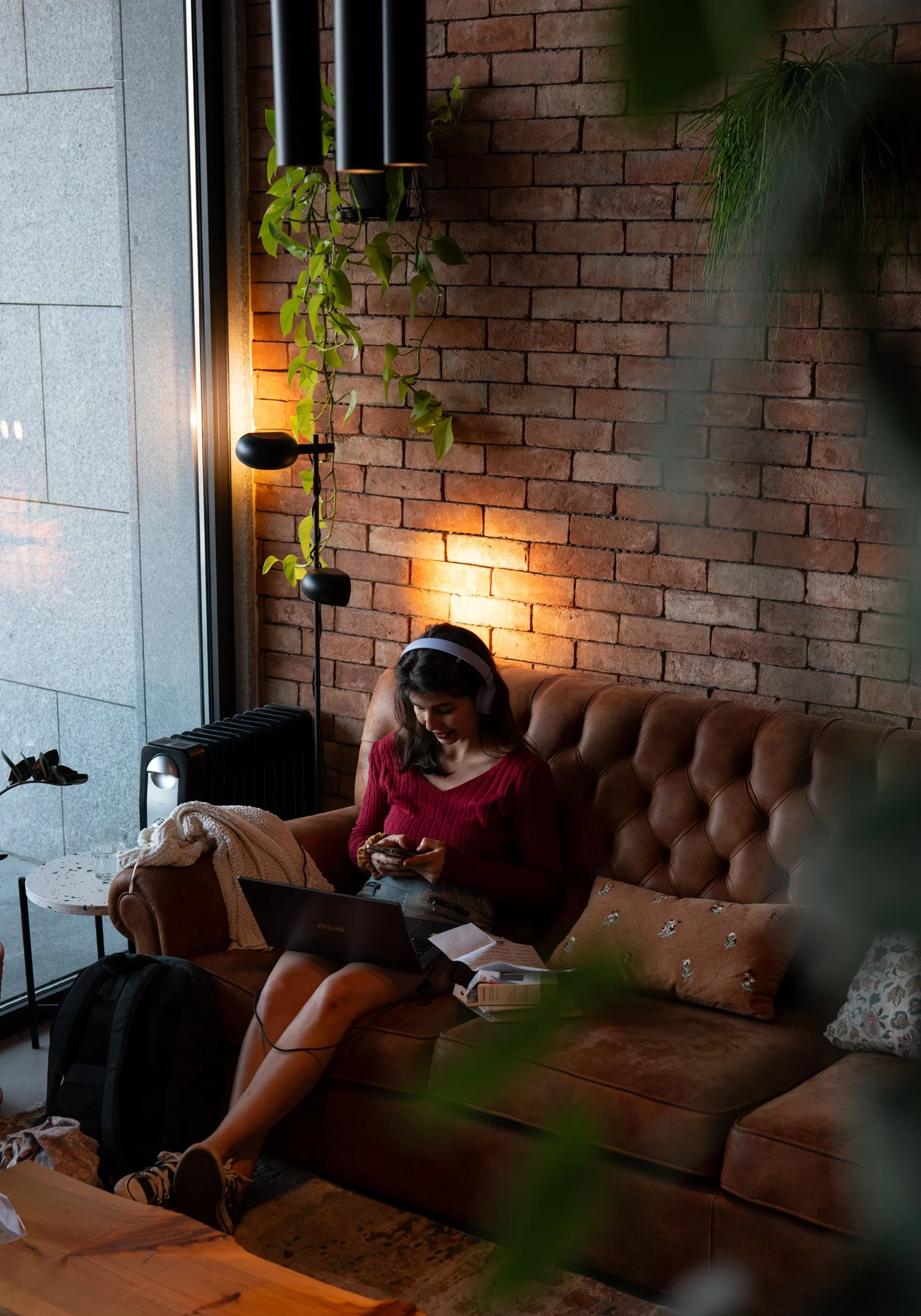
Névoa feels less like a cafe trying to impress you and more like a room trying to protect something.
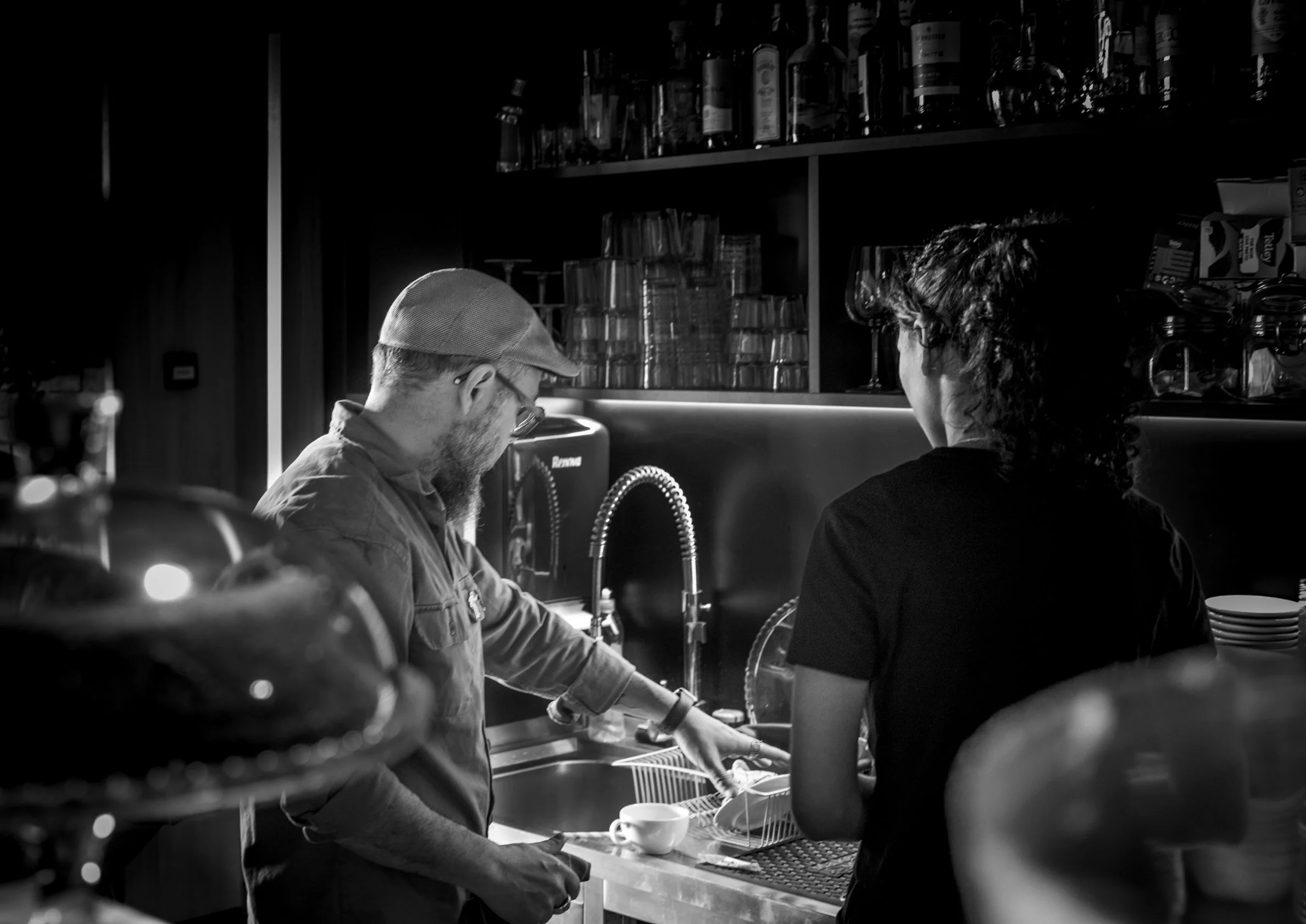
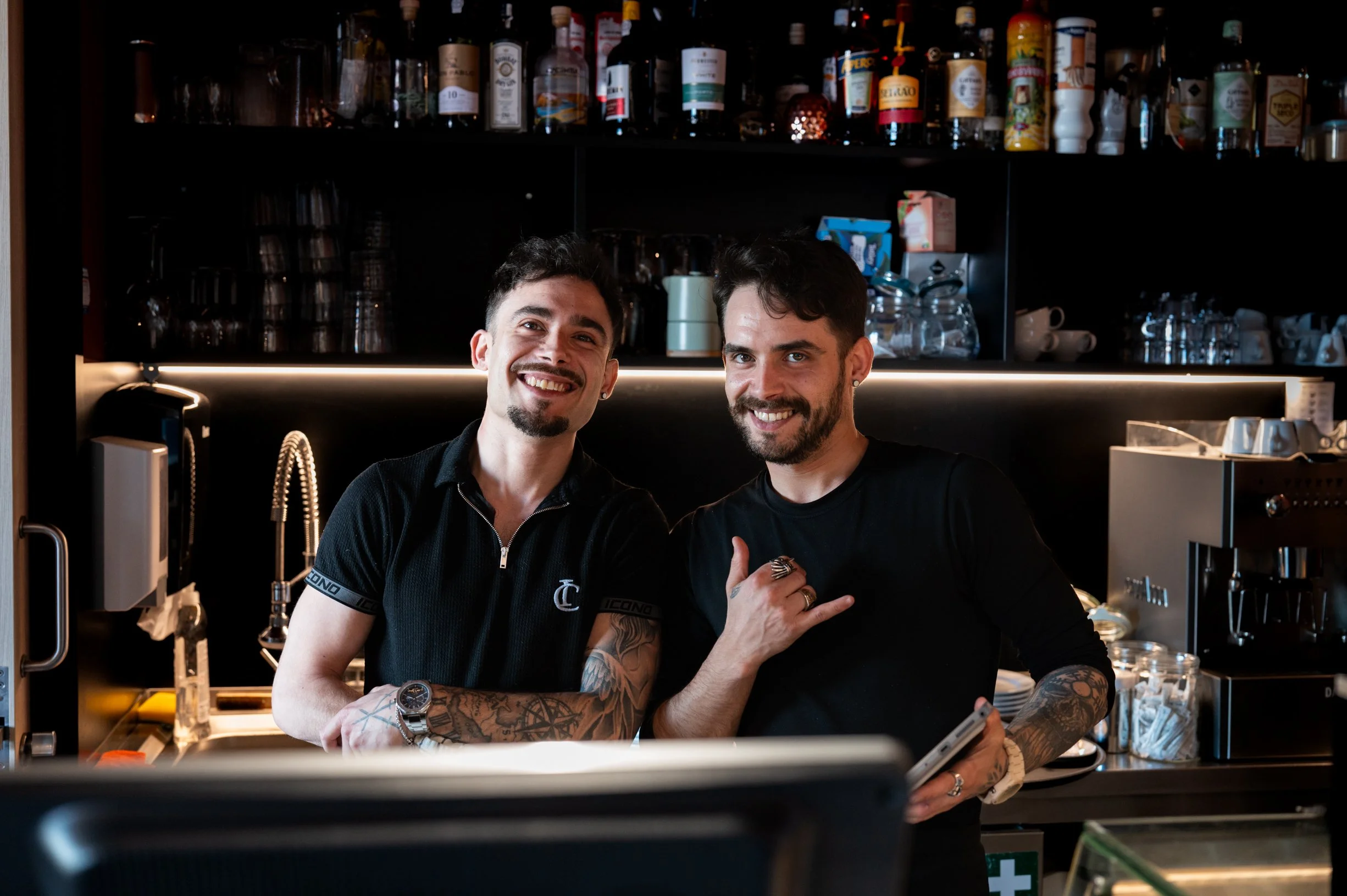
Across the room, Ze moves differently.
Slower. Quieter. Observing more than speaking.
Together, they create the emotional rhythm of the space. One brings movement. The other grounding. Neither feels rehearsed.
The Work
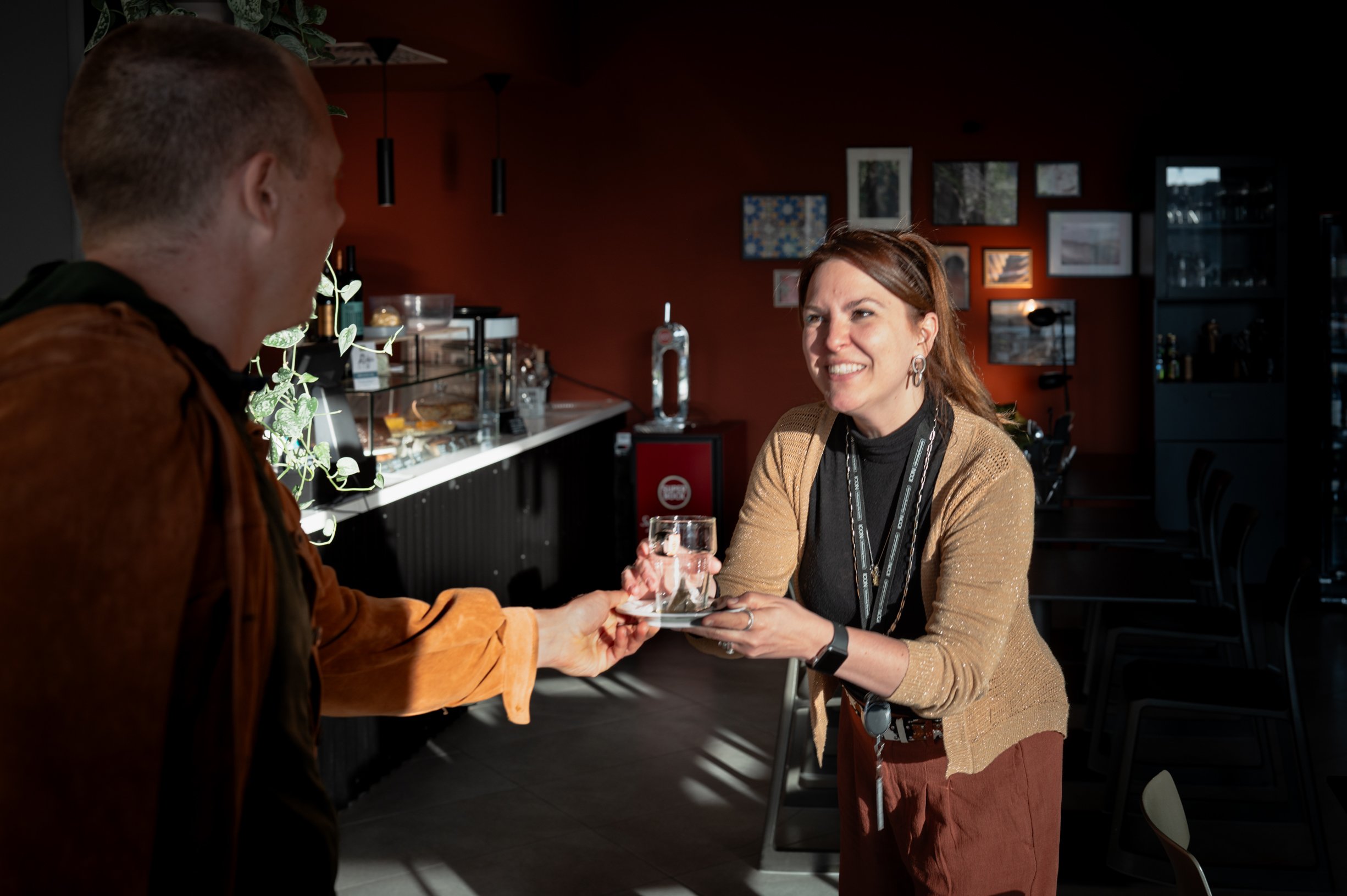
By the time you notice Aline, her hands are already moving.
She moves through the room with the energy of someone paying attention to everything at once. Checking tables. Greeting people before they fully step through the door. Carrying coffee with the kind of ease that only comes from repetition and care.
The space does not ask for attention loudly. Nothing feels over-designed. Nothing performs.
Which is exactly the point.
But there is tension inside that choice too.
Because building something honest still requires visibility. The cafe still exists inside an economy. There are still bills, expectations, algorithms, and pressure to grow. Like many makers, Aline and Ze live inside the contradiction of wanting their work to be seen without allowing it to become performance.
That balance is difficult to maintain.
You can feel them protecting it carefully.
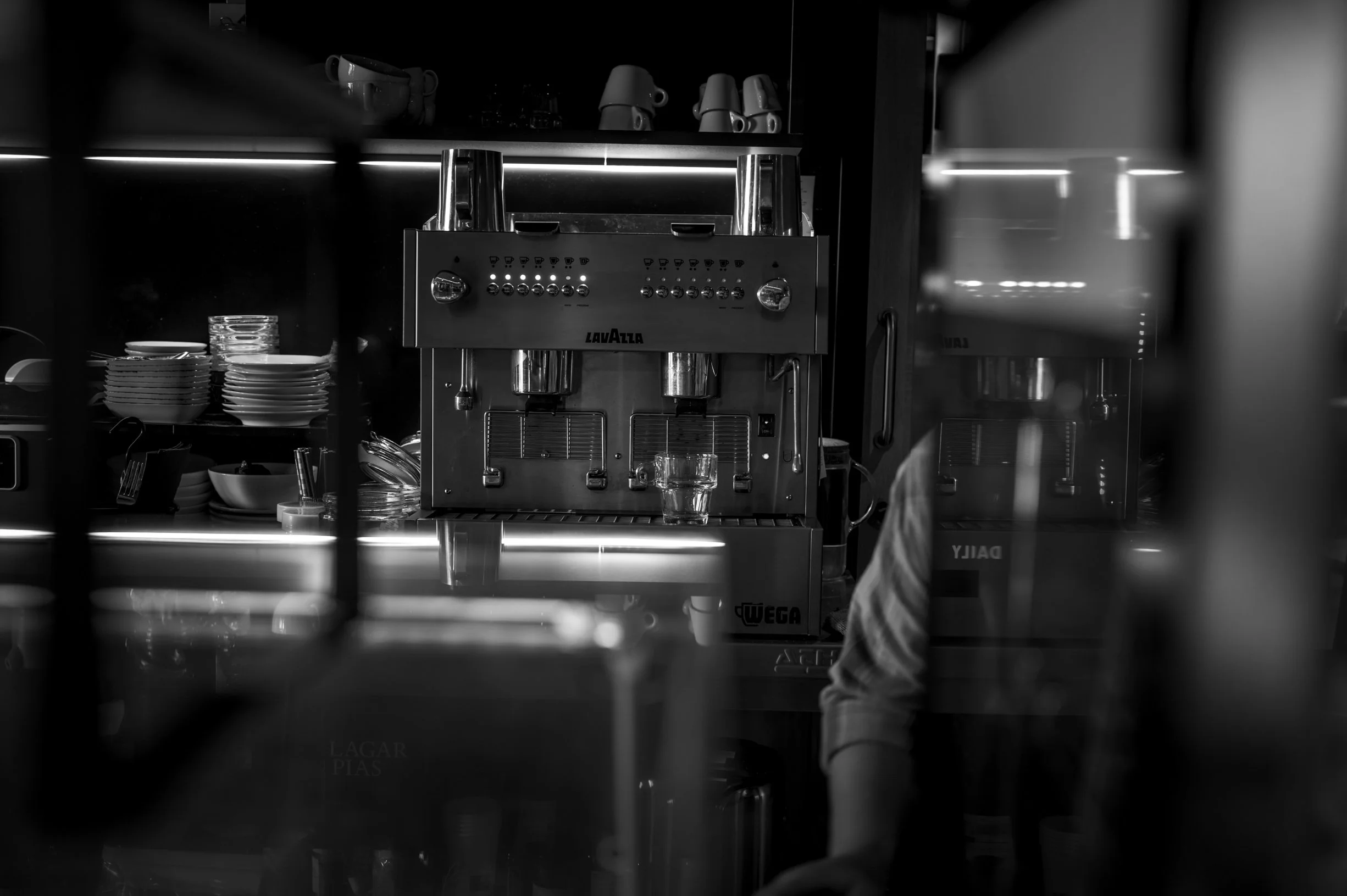
What they are doing extends far beyond serving coffee.
They are reading the room constantly. Watching for tension. Adjusting the atmosphere in small ways most people will never consciously notice. A quieter tone of voice. A slower interaction. An extra moment at the table.
Hospitality, here, feels closer to witnessing.
There is an honesty to the work that becomes visible after enough time inside the cafe. You start noticing the invisible labor behind the softness of the experience. The early mornings. The constant maintenance. The persistence required to turn an idea into a physical place people can actually walk into.
Neither of them romanticizes it.
But neither of them regrets it either.
The Philosophy
“We did it because we didn’t know,” Ze says.
At first, the sentence sounds accidental.
Then it starts sounding honest.
Before Névoa existed, both of them carried a quiet resistance toward the version of hospitality they kept seeing around them.
Spaces that felt optimized instead of human.
Cafes designed more for visibility than presence. Businesses that slowly pushed their owners into performing versions of themselves that no longer felt real.
They did not want that.
“I didn’t want to build something that needed me to pretend,” Aline says.
That refusal sits underneath everything inside Névoa.
They rejected the idea that professionalism has to feel corporate. They rejected the pressure to scale quickly at the cost of intimacy. They rejected the expectation that every interaction should be efficient, polished, and measurable.
Instead, they built a place around slowness.
Not laziness. Not a lack of ambition.
Slowness as intention.
The kind that allows people to settle into themselves.
What They’re Really Building
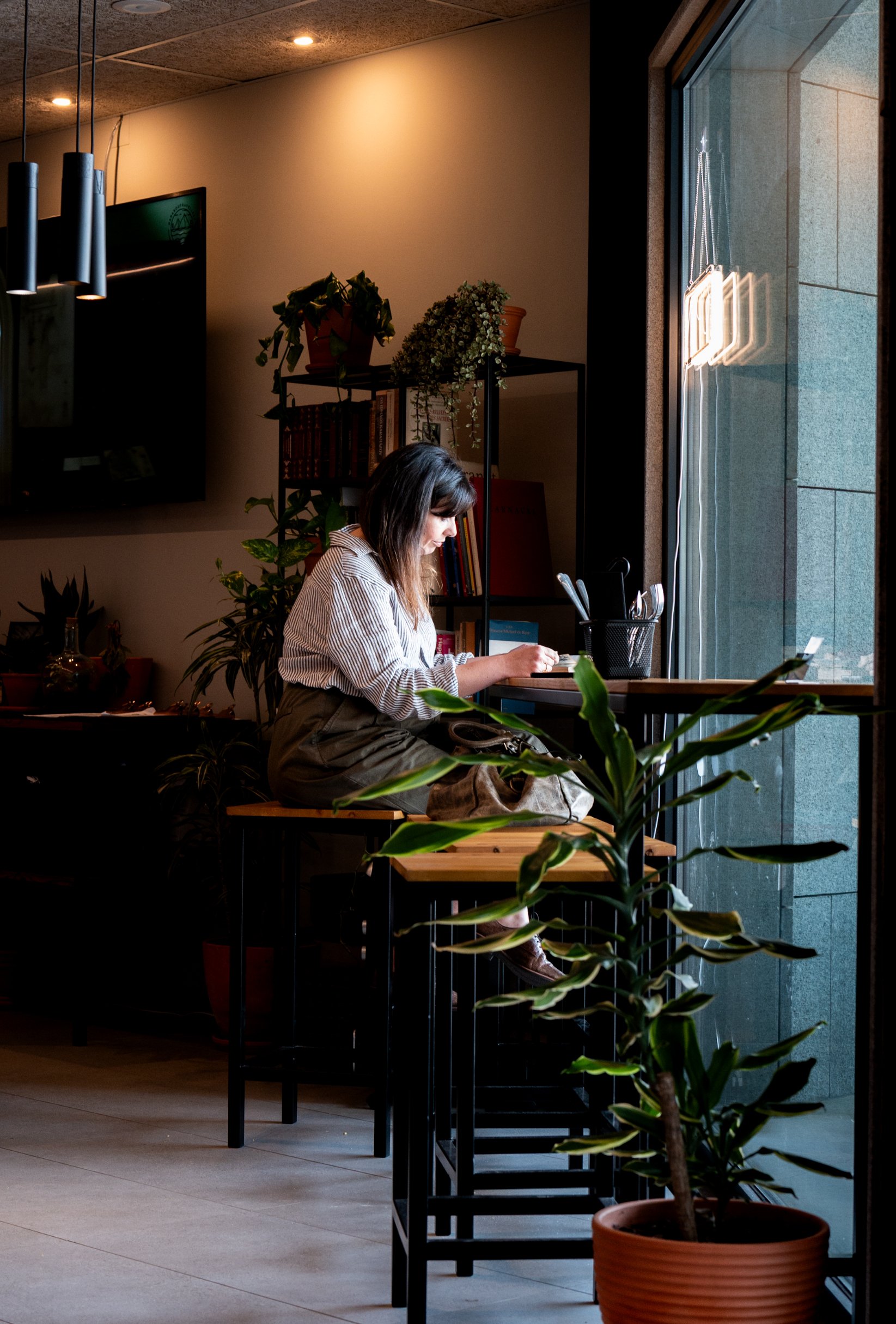
At one point, Aline remembers noticing a woman sitting near the corner window writing postcards.
Not typing.
Not scrolling.
Writing postcards.
She stayed there for hours, quietly writing to an older friend while the village outside kept moving.
That moment stayed with them.
Not because it was dramatic, but because it represented the exact kind of space they hoped to create.
A place where people feel safe enough to slow down.
The environment inside Névoa mirrors the people who built it. Thoughtful without becoming rigid. Warm without trying too hard. Slightly unfinished in the way all living things are unfinished.
Even the imperfections feel intentional.
The worn corners. The evolving layout. The small adjustments are still being made months after opening. Nothing suggests a business obsessed with appearing complete.
Instead, the cafe feels alive.
When the doors close at night and the lights dim, the room does not feel empty. It feels like a conversation temporarily paused.
And maybe that is the space Aline and Ze were searching for all along.
Not status.
Not expansion.
Not the performance of success.
But ownership.
Ownership over their pace. Their values. Their way of welcoming people into the world they built.
They are not building a brand as much as they are protecting a feeling.
A life where the work still feels like theirs.
You can visit Névoa Café daily from 8 a.m. - 7 p.m. at Av. Dr. Miguel Bombarda 25, 2710-590 Sintra.