

Building Systems Beats Hustle: How to Scale Your Growth this Year
TL:DR Summary:
"Hustle" is a non-scalable resource that relies on depletable willpower and manual effort, leading to inevitable plateaus and burnout. True high-performance is a byproduct of systems—repeatable processes that produce consistent results regardless of a leader’s daily energy levels.
Key Takeaways:
Hustle is a "linear" growth strategy (1:1 effort to output), while systems offer "exponential" growth.
A lack of systems is often masked by "Command and Control" micromanagement to compensate for process gaps.
Systems create psychological safety by making expectations predictable and success repeatable for the entire team.
In the early days of a career, hustle is the fuel. But as you move into leadership, hustle becomes the poison. If you are still relying on "grinding harder" to hit your 2026 targets, you are building a house on sand.
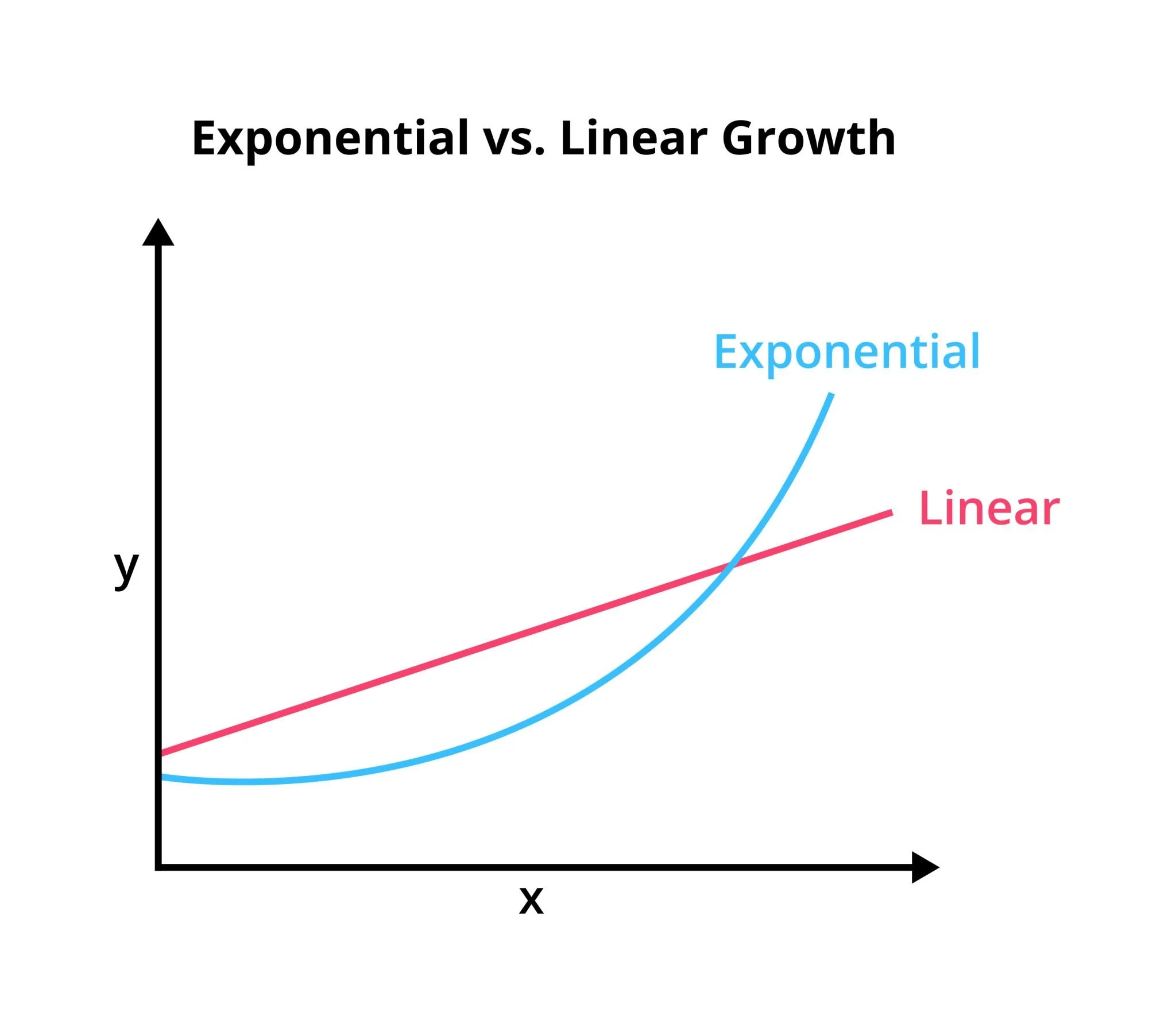
How to Achieve Growth…
The Failure of the "Heroic" Leader: Many new people managers and ambitious new hires fall into the trap of the "Hero" archetype—the one who works the latest and touches every project, giving their all on everything.
As a people manager (and business), this is actually a failure of organizational psychology. It signals a lack of trust in the team and a lack of belief in the process. When you "hustle" to fix problems, you are merely patching a leak that a system should have prevented.
Even as an individual contributor, it’s a sign that you lack clarity on the output, and you're doing anything and everything to show that something is being done.
Systems vs. The Trust Tax Rigid, traditional, out-of-touch mandates and "command and control" environments are often just low-tech systems. They rely on physical surveillance because the people leader/organization hasn't built a system for tracking outcomes.
Hustle requires you to be present.
Systems allow you to be productive, anywhere.
How to Build Your First Performance Engine
Audit the Friction: Where do you get stuck every week?
Standardize the Solution: Create an "If This, Then That" (IFTTT) protocol for common tasks.
Optimize for Deep Work: Systems should automate the "Shallow Work," freeing your brain for the high-value cognitive demands we discussed in our energy audit.